
Childhood trauma, defined as experiences such as abuse, neglect, or exposure to traumatic events, may have a profound impact on many dimensions of an individual’s life. Sexual desire and arousal is one of the most important areas affected. This article discusses the impact of childhood trauma on sexual desire and arousal, as well as the psychological and emotional consequences trauma survivors frequently encounter in their sexual and romantic relationships. Knowing these effects can help us to better assist those who have experienced these struggles to healing and fulfillment in their sexual lives.
Table of Contents
Understanding Different Types of Childhood Trauma: Exploring the Impact
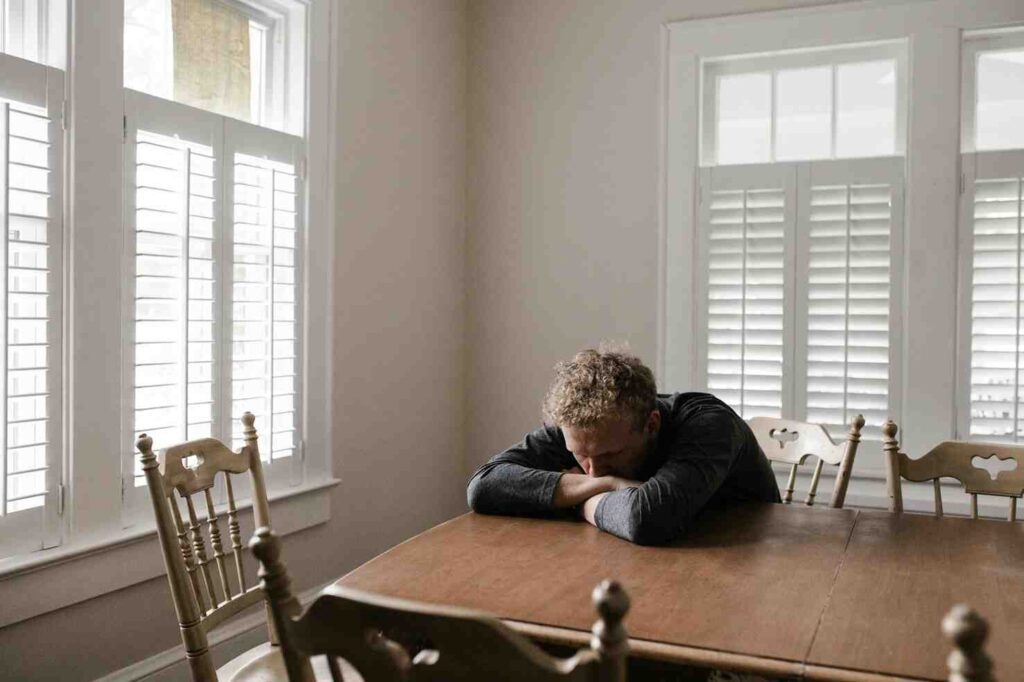
Childhood, commonly thought of as a time of innocence and wonder, can also be a time of experiences that shape a person’s life in profound ways. Childhood trauma is a term that encompasses a wide range of negative experiences or circumstances that happen to a person in their early years and have long-lasting effects on their physical, emotional, and psychological health. In this paper, we will look at the different types of childhood trauma, discussing how common they are, what they are like, and how they affect people’s lives.
1. Physical Abuse
Physical abuse is when someone who is in a position of authority or is a caregiver causes a child to suffer physical injury or harm. This could mean hitting, punching, kicking, burning or otherwise hurting the body. In addition to visible signs of injury (e.g., bruises, welts, broken bones), physical abuse may cause less visible scars (e.g., emotional trauma and psychological distress). Children who have been physically abused may grow up to feel afraid, helpless and mistrustful and have problems such as low self-esteem, aggression and trouble forming healthy relationships.
2. Sexual Abuse
Sexual abuse is any sexual act or act of sexual violence against a child by an adult or an older child. This could involve sexual touching, fondling, molestation, rape or exploitation for the purposes of pornography or prostitution. Sexual abuse is a deeply traumatic experience that can affect a child’s sense of self, sexuality and relationships for a lifetime. People who have been sexually abused can have many different emotional and mental health symptoms like shame, guilt, anxiety, depression and post-traumatic stress disorder (PTSD). They may also have difficulty with intimacy, trust and sexual functioning in adulthood.
3. Emotional Abuse
Emotional abuse is also called psychological or verbal abuse. It happens when a caregiver or person in a position of authority repeatedly belittles, humiliates or manipulates a child’s feelings, thoughts or actions. These may be verbal insults, threats, intimidation, rejection or constant criticism. Emotional abuse can be just as damaging as physical or sexual abuse, leaving lasting emotional scars that can carry into adulthood. Emotional abuse can cause children to feel worthless, inadequate and self-doubting and can lead to problems such as anxiety, depression and low self-esteem.
4. Abandonment
Neglect refers to the failure of a caregiver to meet the basic needs of a child such as food, shelter, clothing, medical attention, supervision, and emotional support. Neglect can be physical, for example, by not providing enough food or shelter, or emotional, for example, by failing to meet a child’s emotional needs or provide affection and support. Neglect can have profound and lasting effects on a child’s physical, emotional and psychological development. “Neglected children may suffer from malnutrition, poor physical health, developmental delays and attachment issues. It can also lead to low self-esteem, depression and difficulty in forming healthy relationships in adulthood.
5. Observing Domestic Violence
Witnessing domestic violence is defined as exposure to physical, verbal or emotional abuse between caregivers or other family members. This could be physical fights, verbal arguments, or acts of aggression or intimidation. Children who witness domestic violence may be traumatized by what they see, even if they themselves are not victims of abuse. Children who witness domestic violence may feel fear, helplessness and confusion and may suffer trauma symptoms such as anxiety, depression and post-traumatic stress disorder. They may also struggle with issues such as low self-esteem, difficulty forming healthy relationships, and repeating cycles of violence as adults.
How Trauma Affects Sexual Desire and Arousal
1. Trust & Safety: Childhood trauma can destroy a person’s sense of trust and safety, making it difficult for them to feel safe and at ease in intimate settings. People who have experienced trauma may have a difficult time dropping their guard and allowing themselves to be vulnerable, which can make it hard for them to feel desire and arousal during sex.
2. Impact on Body Image and Self-Esteem: Trauma survivors may develop negative body image and low self-esteem as a result of their experience. These feelings of inadequacy or self-consciousness can create barriers to experiencing sexual desire and arousal, as individuals may feel unworthy of pleasure or disconnected from their bodies.
3. Difficulty with Emotional Intimacy: Trauma can make it hard to form secure emotional attachments, so the survivor may struggle to feel emotionally close to their partner. When there is no emotional connection, it can be difficult for people to feel desired or turned on in intimate relationships. Emotional intimacy is often the spark that ignites sexual desire.
4. Dysregulated Emotional Responses: Childhood trauma may result in dysregulated emotional responses such as anxiety, depression, or dissociation that may interfere with the experience of sexual desire and arousal. Survivors may find it difficult to relax and be in the moment during sex because their heads may be full of intrusive thoughts or memories of past trauma.
5. Avoidance of sexual stimuli: Trauma survivors may use avoidance as a coping strategy for distress. They may avoid sexual stimuli or situations that bring up memories of past trauma. This avoidance can also lead to decreased sexual desire and arousal, as people may start to link sexual activity with fear or discomfort.
Related Article: Recovering from Sexual Trauma Through EMDR
Navigating the Impact of Childhood Trauma on Sexual Desire and Arousal
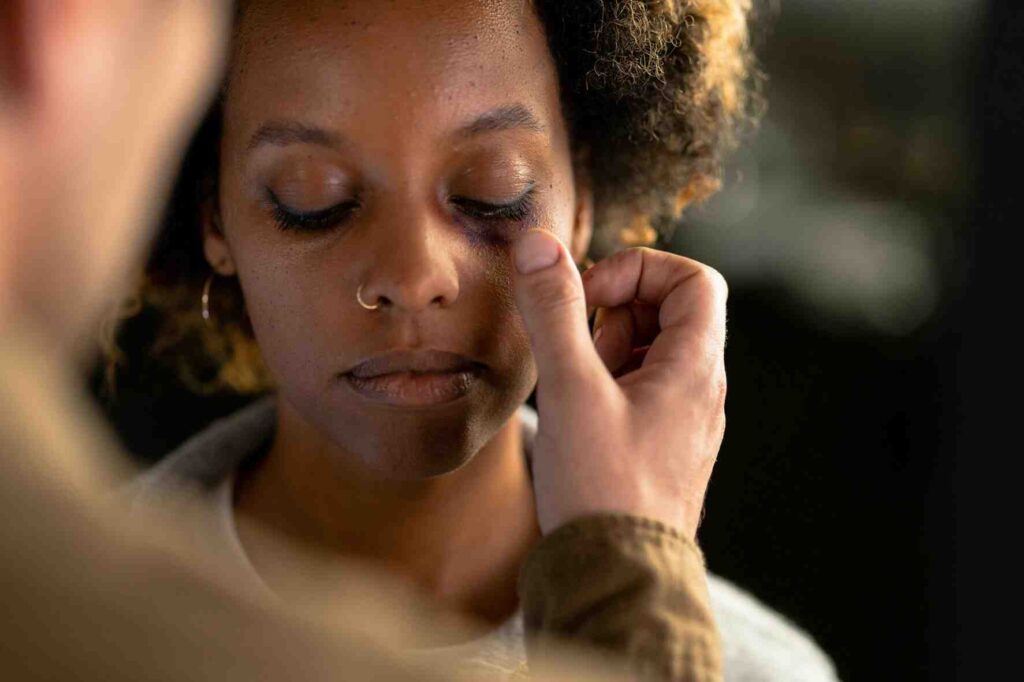
1. Seeking Help: If you are a trauma survivor who is struggling with sexual desire and arousal, therapy can be a helpful resource. Therapy is a safe and supportive space to unpack your experiences, process your feelings, and work toward healing and recovery. Using evidence-based approaches such as trauma-focused cognitive behavioral therapy (TF-CBT), Eye Movement Desensitization and Reprocessing (EMDR), and dialectical behavior therapy (DBT), therapists work with clients to develop coping skills, regulate their emotions, and reframe negative beliefs about themselves and their experiences.
2. Building Trust and Safety: Trauma survivors need to build trust and safety in intimate relationships before they can feel comfortable exploring their sexuality. Partners can support survivors by creating a safe and supportive environment that encourages open communication, empathy and consent.
3. Building Emotional Intimacy: Developing emotional intimacy can help trauma survivors feel more connected to their partners and more comfortable expressing their needs and desires. Doing things that bring you closer to your partner emotionally — like talking deeply, sharing experiences and showing affection — can make you feel more connected to your partner and increase sexual desire and arousal.
4. Sensate Focus: Sensate focus exercises involve gradual, non-genital touching and exploration of the body. These exercises can help trauma survivors regain a sense of safety and connection in intimate situations. These exercises are all about pleasure and relaxation – exploring your body and sensations at your own pace, without pressure or expectations.
5. Self-Discovery and Self-Compassion: Helping trauma survivors to explore themselves and be compassionate toward themselves can help them reestablish a positive relationship with their bodies and develop a healthy outlook on their sexuality. Practices such as mindfulness, self-care and acceptance of one’s body can promote healing and increase sexual desire and arousal.
Conclusion
Childhood trauma can have deep and lasting effects on a person’s ability to feel sexual desire and arousal. Awareness of the intricacies of trauma and how it affects sexuality can assist trauma survivors and their partners to traverse the difficulties of intimacy with compassion, empathy and resilience. By seeking support, creating trust and safety, fostering emotional intimacy, and engaging in self-discovery, trauma survivors can find a renewed sense of ownership over their sexuality and deepen their bonds with themselves and their partners.
To learn more about how CICC therapists can help you improve intimacy and address trauma or to schedule a consult please visit us at centericc.com or call 443-835-6991