
As the days get shorter and the weather gets cooler, many people experience a shift in their mood and energy. For some people, this change of season triggers what’s often called the “winter blues.” While feeling less motivated or energized in the colder months is common, for some, these feelings can become a more serious condition called Seasonal Affective Disorder (SAD). Knowing the differences, causes and cures for winter blues and SAD is the key to successfully facing this seasonal struggle.
Table of Contents
What does Winter Blues mean?
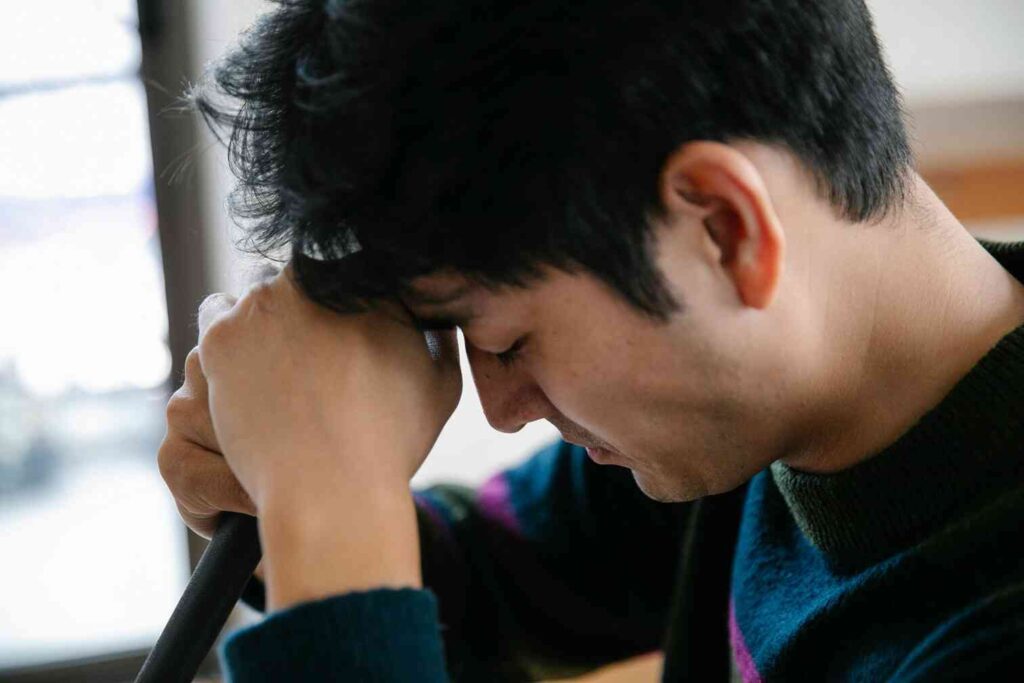
The winter blues is a term used to describe a mild and temporary type of low mood that often occurs during the late fall and winter months.
Symptoms may include:
– Feeling more tired than usual.
– Not enough work or enthusiasm.
– Mild sadness or irritability.
– Trouble concentrating.
The winter blues are often caused by less exposure to sunlight during the winter months, which can throw off your body’s natural rhythms. But
What is the difference between winter blues and seasonal affective disorder?
“Winter blues” and “Seasonal Affective Disorder,” while sometimes used interchangeably, are not the same. The winter blues are a less severe, less disruptive form of seasonal mood change; Seasonal Affective Disorder (SAD) is a clinical condition.
Comparison between Winter Blues and Seasonal Affective Disorder
Winter Blues
- Brief, mild sadness.
- Doesn’t really interfere much with daily life.
- No formal medical diagnosis needed.
Seasonal Affective Disorder (SAD)
- Depression, severe, several months.
- Disrupts work, relationships, and self-care.
- Needs to be diagnosed by a mental health professional.
SAD is a form of depression that happens at certain times of the year, usually in fall and winter. This condition is listed in the Diagnostic and Statistical Manual of Mental Disorders (DSM-5) as major depressive disorder with a seasonal pattern.
When does SAD typically begin?
SAD usually starts in the late fall or early winter and ends in the spring and summer. For many, symptoms begin to appear as the days get shorter, typically in October or November. Worst symptoms tend to occur during the darkest months of the year, December and January, when there is least exposure to sunlight.
But not all of us suffer from SAD in winter. A smaller proportion of people experience summer-pattern SAD, which begins in the spring or early summer and ends in the fall.
Signs of Seasonal Affective Disorder
Seasonal Affective Disorder is more than just a case of the down days of the winter blues. Symptoms can be debilitating and affect many areas of life. Typical SAD symptoms include:
Emotional Symptoms:
– Feeling sad or hopeless for long periods of time.
– Feeling anxious or irritable.
– Loss of interest in activities previously enjoyed.
Physical Symptoms:
– Fatigue and low energy, even with enough sleep.
– Hypersomnia, or trouble waking up in the morning.
– Changes in appetite, especially a craving for carbohydrate and sweet foods, leading to weight gain.
Cognitive Symptoms:
– Trouble concentrating or making decisions
– Feeling sluggish or “foggy”
Social Symptoms:
– Isolating yourself from friends, family or social activities.
– Difficulty maintaining relationships, due to irritability or mood swings.
Causes of the Winter Blues and SAD
The precise cause of SAD is not known, but there are several factors that contribute to the condition.
1. Less Sunlight Exposure
Winter’s low sunlight levels and falling throw off the body’s internal clock, called the circadian rhythm. This may cause changes in mood and energy levels.
2. Brain Chemical Imbalances
– Serotonin: Less sunlight can decrease serotonin, a neurotransmitter that helps regulate mood.
– Melatonin: Longer nights and shorter days can lead to increased melatonin production, making people feel sleepy and lethargic.
3. Lack of Vitamin D
Sunlight is involved in serotonin production and the body makes vitamin D with the help of sunlight. During the winter months, we often don’t get enough sunlight, which can cause a vitamin D deficiency and mood changes.
4. Heredity
A family history of depression or other mood disorders can put you at greater risk for SAD.
Seasonal affective disorder risk factors

Several factors increase the likelihood of experiencing SAD:
Geography: SAD is more prevalent in people living in northern latitudes where the hours of daylight are shortest.
Gender: Women are more likely than men to experience SAD, although men may experience more severe symptoms.
Age: SAD is more common in younger adults, with onset often occurring in the late teens or early twenties.
Personal or Family History: Individuals with a history of depression or bipolar disorder are at higher risk.
Detecting Seasonal Affective Disorder
If symptoms of SAD continue and interfere with your daily life, seek professional help. In general, a mental health professional will consider the following criteria for diagnosis:
– Recurrent depressive episodes in a seasonal pattern for at least two consecutive years.
– Symptoms cause significant impairment of daily functioning.
– No other cause for the symptoms (e.g. other medical or psychological conditions).
Winter Blues / Treatment for Seasonal Affective Disorder
While both winter blues and SAD can be treated effectively, lifestyle changes can also help. The appropriate course of action will depend upon the severity of symptoms.
1. Light Therapy
Light therapy is one of the best treatments for SAD. That means sitting in front of a lightbox that simulates natural sunlight for 20-30 minutes each morning. This helps regulate circadian rhythms and increase serotonin levels.
2. Psychological Counseling
Cognitive-behavioral therapy (CBT) is an effective treatment for SAD. It focuses on identifying and challenging negative thought patterns, building coping strategies and developing a plan to manage seasonal triggers.
3. Drugs
In some cases, doctors may also prescribe antidepressant medications, such as selective serotonin reuptake inhibitors (SSRIs), to treat severe symptoms of SAD.
4. Vitamin D Supplementation
If you take a vitamin D supplement in the fall and winter months this can help with deficiencies and mood.
5. Change of Lifestyle
When it comes to managing symptoms of winter blues or SAD, there are small lifestyle changes that can help:
Get Plenty of Sunlight: Spend time outside during the day, even if it’s cloudy.
Exercise Regularly: Physical activity releases endorphins and reduces stress.
Eat A Balanced Diet: Don’t overeat on carbs and sugary foods, choose whole grains, lean proteins and fruits and vegetables in abundance.
Sleep Hygiene: Keep a regular sleep schedule to help regulate your circadian rhythm.
Beat the Winter Blues and SAD
While it may not always be possible to prevent SAD entirely, certain steps can reduce the likelihood of experiencing severe symptoms:
1. Begin Early: Start light therapy or vitamin D supplementation in early fall before symptoms occur.
2. Brighten up your living space: Use natural light bulbs to create a bright and cheerful environment.
3. Stay Connected: Don’t isolate, keep up social connections and plan activities.
4. Seek Professional Help Promptly: If you notice symptoms starting to interfere with daily life, don’t wait—reach out to a mental health professional.
The Importance of Treating Winter Blues and SAD
If you ignore the symptoms of winter blues or SAD, it can have long-term consequences for your mental health and quality of life. Depression or low energy over long periods can lead to:
– Tensions in the relations
– Difficulty with work or academic performance.
– Greater likelihood of more serious mental health problems.
Catching and treating these symptoms early can help make the colder months not only tolerable, but enjoyable.
Closing Thoughts
It can be a difficult transition from the bright days of summer to the dark and cold months of winter. The winter blues are real and manageable for many people, but Seasonal Affective Disorder is a more serious condition that needs attention and treatment. Knowing what winter blues is, how it differs from SAD, and when SAD typically starts are all important to taking proactive steps to support your mental health during this seasonal transition.
If you or someone you know is experiencing symptoms of SAD, don’t hesitate to seek professional help. With the right tools, treatment and support, you can regain your energy, mood and joy, even during the darkest days of winter.