
Written by the CICC Clinical Team | Center for Intimacy, Connection and Change
It’s painful and frustrating to be in a relationship with someone who seems to back off just as things are getting more intimate. Maybe you’re thinking, “Why Won’t They Chase Me?” Or you’re thinking about what to do about a disappearing partner. This dynamic of one partner wanting closeness and interaction while the other seems distant or reluctant can make the pursuer feel insecure, rejected, or even question their own worth. In this article, we’ll explore some reasons why a partner might back off, the feelings and patterns behind that behavior, and some insight into why your partner loves and likes you but doesn’t always chase you. We will also look at ways to deal with these dynamics, by promoting understanding and seeking approaches to achieve mutual acceptance.
Table of Contents
What You Should Know About Withdrawal in Relationships
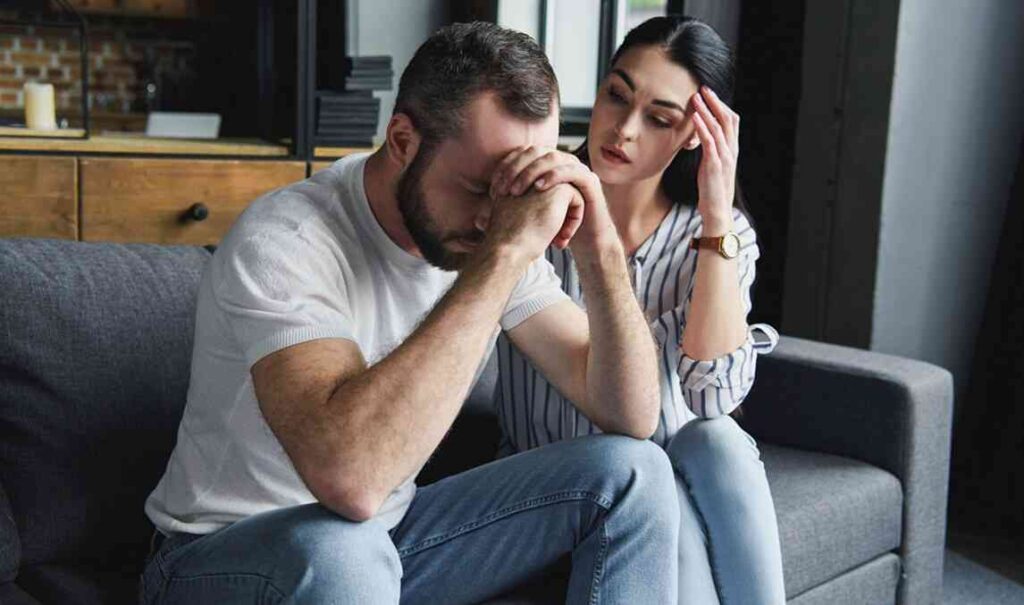
Sometimes people pull back in relationships and it doesn’t mean they don’t care. Withdrawal is often rooted in deeper emotional patterns or unresolved fears. Some people are just naturally withdrawn because of their upbringing or past relationships or just personality differences. Men are sometimes socialised to deal with emotional challenges by withdrawal rather than confrontation. But the reasons a partner withdraws can be more complex than gender norms alone.
Let’s dive into some of the most common reasons why someone might pull away from a relationship, even if they genuinely care.
1. Fear of Vulnerability
For many, emotional intimacy feels dangerous. Vulnerability is about being open and being visible. It is about sharing our thoughts and feelings and risking being hurt. This isn’t to say that a partner who leaves would find this kind of emotional exposure easy. It may seem paradoxical, but sometimes the more you get close to someone the more they may pull away because of the anxiety of vulnerability. Perhaps because they believe that if they allow themselves to be known at a deep level they will be rejected or disappointed. So they pull back in order to avoid that possibility.
2. Attachment Styles
Attachment theory offers a useful lens to understand why some people tend to pull away in relationships. Avoidant attachment style People with an avoidant attachment style may value independence so much that intimacy feels uncomfortable or overwhelming. In their childhood, these individuals may have learned that they needed to be self-sufficient, and they carry this lesson into adulthood. This means they might back off if they feel their independence is being challenged or if they feel forced to be more emotionally available than they want to be.
People with an anxious attachment style respond to this in the opposite way—craving closeness and reassurance from their partner. When an anxious attachment style person gets together with an avoidant attachment style person, it can create a vicious cycle. The anxious partner seeks closeness, which makes the avoidant partner pull away even more, which causes the pursuing partner to become more anxious.
3. Fear of Failure or Inadequacy
People pull away from relationships, not because they don’t feel, but because they are afraid they won’t be what the other person wants. This fear can lead to doubts about oneself, especially among men who feel pressure to provide emotional stability or who may internalize beliefs about what it means to be “good enough.” Some people withdraw from this fear rather than confront it, in the hope of avoiding the disappointment of not living up to expectations.
4. Relationship dynamics
Many partners who break up are pressured by their pursuers. Attempts to reach out and engage your partner are often seen as criticism and an unintended message that they are not enough or are inadequate. The withdrawing partners want a quiet, peaceful environment and often prefer the status quo to “tackling problems”. For the withdrawer emotional safety is most important and the avoidance is a way to protect the connection.
Why Does A Guy Like You But Won’t Go After You?
It can be particularly confusing when your partner loves you but isn’t going after a relationship like you expect. You may wonder, Why would they like you but not pursue you? and trying to decipher mixed signals. Some possible explanations that may help explain this dynamic are:
1. He’s Overpowered By The Relationship
It could be he really likes you but is overwhelmed by the meaning of the relationship. Perhaps they’re going through something personal in their lives like a recent loss or a breakup, stress from work or a need for some personal growth. In these instances, his withdrawal is not about you, but about his own self-preservation. He might be concerned that any active pursuit of a relationship will lead him away from his focus or expose him in ways he’s not ready for yet.
2. He’s Not Aware of His Feelings
Sometimes people don’t know what they’re feeling. Perhaps your partner is very interested in you and the relationship, but simply doesn’t know how to express it. Instead of chasing you down, they might pull back to process these feelings behind the scenes. This turmoil may lead to a push-pull situation, where they are interested but afraid to show it.
3. Avoiding Conflict & Emotional Pain
If your partner has had bad experiences in past relationships, they may have developed a coping mechanism of withdrawal to avoid repeating painful experiences. They may like you but fear of being hurt or of a potential confrontation may make him want to keep you at arm’s length.
4. Lack of Relationship Skills
Not everyone comes into a relationship knowing how to communicate, connect, and navigate emotional dynamics well. If your partner is inexperienced in relationships or hasn’t learned how to be emotionally healthy, they may withdraw simply because they don’t know how to be consistently engaged.use of deep psychological wounding but simply because they have never learned how to stay present, express themselves, or navigate emotional intensity in a relationship. These are skills — and they can be learned.
How To Handle A Withdrawn Partner

If you are involved with a person who withdraws frequently, you have to deal with the situation with both compassion and clarity. Here are some strategies that can help you manage your own feelings and encourage healthier interactions with your partner:
1. Communicate Openly, But Don’t Chase
If you pursue a person who is pulling away, you may actually cause them to pull away even more. Try to express yourself calmly and directly, rather than chasing. Share your feelings about your partner’s behavior without making them feel pressured. For instance, “I’ve noticed that sometimes you pull back and it leaves me feeling unsure. “I just wanted to know if there is anything I can do to make things feel a little more comfortable.
2. Set Boundaries & Know Your Needs
You need to set boundaries for yourself and tell them what you need from the relationship. This isn’t about issuing ultimatums, it’s about being clear about what you will accept. Boundaries are intended to help you protect your emotional well-being and to stop you from feeling hurt or disappointed over and over. If you are waiting for him to talk or doubting yourself, reevaluate the relationship or learn to focus on taking care of yourself.
3. Try to Understand Your Partner’s Background and Perspective
Learning about your partner’s background, like how he/she was raised or their past relationships can help you understand why they may be pulling away. Understand that this is more likely to be about your partner’s past than it is about you. If we try to empathise with their struggles we may find some of our frustrations dissipate and the door opens to healthier conversations.
4. Encourage, But Don’t Force, Personal Growth
If your partner’s withdrawn behavior stems from unresolved emotional issues, encourage them to seek personal growth, whether it’s through therapy, self-reflection, or open communication. You can help, but remember, the real change has to come from within. If they’re not willing or able to work on these issues, know that it’s not your job to fix them.
5. Cultivate Patience and Self-Compassion
It can be exhausting dealing with a partner who withdraws. Be patient with yourself and your partner and practice self-compassion to work through feelings of rejection or frustration. Their pulling away is not about you, or your attractiveness, it’s usually about what your partner is experiencing internally.
How To Deal With The Fact That He Doesn’t Want You
In rare instances, your partner’s withdrawal might be a sign that they are disengaging from the relationship and looking for a way out.
Eventually, if your partner’s withdrawing behavior makes you feel unwanted, you might have to face the hard truth that he might not want to be in a close relationship. Getting used to the fact that people don’t want you is one of the hardest things to accept, but it’s also one of the most important parts of emotional well-being.
1. Acknowledge Your Feelings
Allow yourself to feel the sadness, frustration and even anger of feeling unwanted. The first step to acceptance is honouring your emotions, not shoving them down or pretending everything is fine. Writing in a journal or confiding in a supportive friend can help you process these feelings.
2. Understand It’s Not About You
If you are with a partner who withdraws regularly, they may have unresolved issues that have nothing to do with you. Remind yourself that his behavior stems from his internal dynamics, not a reflection of your value or attractiveness.
3. Control what you can control
You can’t control what your partner is doing, but you can control how you respond. Instead of getting caught up in why they don’t want a deeper relationship, focus on areas of your life where you feel empowered, loved and fulfilled. Do things that make you happy . Be around friends and family that support you . Take steps to your goals .
4. Get Closure If Necessary
If you are left feeling emotionally stranded by their departure, consider talking to them for clarity. This is not about begging for an explanation or trying to persuade them to stay. It is about getting the closure you need to move on with confidence.
5. Recognize the Reality of the Relationship
Acceptance is often letting go of what could have been, and embracing what is. It’s tough to come to terms with the fact that the relationship may not meet your needs, but acceptance can also be freeing, helping you to move on and find someone more in line with your needs.
Learn more about EFT couples therapy at CICC
Conclusion: Finding Your Way Forward
It can be emotionally draining to deal with a partner who withdraws, especially if you love them and want to be able to connect more often. Understanding the reasons behind withdrawal (fear of vulnerability, attachment styles, emotional wounds, etc.) can help you be more understanding and patient. When you take responsibility for the dynamic in the relationship, some of the tension will be released and your withdrawing partner will be more open to re-engagement.
Remember — most people want to connect, and they have a hard time doing so. Your partner hardly ever doesn’t want to connect with you. A good way to get some clarity is to ask your partner. If you’re not seeing the relationship you may want, you might consider talking to a couples therapist, especially if your partner is open to it.
It’s important to acknowledge and respect your needs in the relationship, too. Feeling emotionally exhausted from chasing someone who always pulls away is a real thing and you deserve to be with someone who is ready and willing to have a meaningful, reciprocal relationship.
You may not be able to change your partner’s tendency to withdraw but you can change your reaction to your partner’s withdrawal. To navigate this dynamic gracefully, prioritize self-care, set boundaries, and practice self-compassion. Whatever you decide, whether it’s to stay and work through these issues or to move on, remember that you deserve love and connection that feels satisfying, supportive and balanced. In almost every case your partner wants this with you as well.